Wanggung-ri Archaeological Site, Iksan
益山 王宮里 遺蹟
전북특별자치도 익산시
Basic information
- Designation
- Historic Site No.408
- Category
- 유적지
- Era
- 백제시대 ~ 통일신라시대
- Designated year
- 1998
- Location
- 익산시, 전북특별자치도— 전북 익산시 왕궁면 산80-1번지 외 ,금마면 동고도리 1109-8외
- Coordinates
- 35.972820, 127.054870
AI Docent
✨ AI-generatedWelcome to Wanggung-ri, a place that holds secrets from Korea's ancient past. Standing here, you're stepping into a landscape that scholars believe witnessed the relocation of Baekje's capital during its late dynastic period—possibly under King Mu himself. What makes this site remarkable is the layer upon layer of history. Excavations have uncovered remains spanning from late Baekje through Unified Silla times. You'll see the Five-story Stone Pagoda, a National Treasure, which once stood at the heart of an ancient temple. Around it lies evidence of a fortress—rectangular in shape, built on flat ground—with ingenious stone-lined facilities running along its walls, offering new insights into how ancient Korean fortresses were constructed. The discovery of tile kilns from the Unified Silla Dynasty adds another chapter to the story. Each excavation reveals more about this sacred place, building the historical case that Iksan was indeed a capital worthy of a kingdom's power and prestige.
⚠ This is an AI-generated retelling of the official description. For accuracy, refer to the official description below.
Description
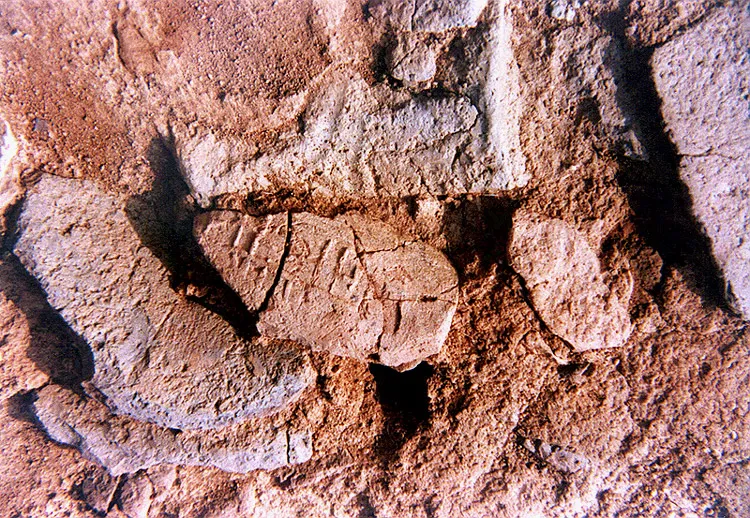
This place is also called the “sacred place in Wanggung-ri.” There are many different views on the site -- some believe it to be the capital of the ancient Mahan Dynasty, some consider it to be the place where King Mu of the Baekje Dynasty built a new palace and the capital, some think it was the capital of the Latter Baekje founded by Gyeon Hwon, and some believe it to be the place where Anseung founded the Bodeok Dynasty. Gwanseeum eungheomgi (Record of the Miraculous Responses of Avalokitesvara) has a record of King Mu of the Baekje Dynasty moving the capital to this place. This record has been the basis for the historical hypothesis that the capital was moved to Iksan during the late Baekje Dynasty. Based on several excavations by various groups, the remains were believed to have been built from the late Baekje Dynasty to the late Unified Silla Dynasty. Two kilns for baking roof tiles from the Unified Silla Dynasty have been found 30m east of the stone pagoda. The remains of a fortress, believed to be a rectangular fortress built on the flat ground, have been excavated around the pagoda. The exact shape of the fortress has been revealed little by little through the intensive excavation. As a very important discovery for research on the history of Korean fortresses, 1m wide unknown facilities built with level stones in and outside of the fortress wall have been excavated. With the Five-story Stone Pagoda in Wanggung-ri (National Treasure No. 289), the vestiges indicating the layout of the ancient temple, and the excavated remains of the outer fortress surrounding the temple site, this site has drawn the attention of historical academic circles as archeological evidence supporting the hypothesis that King Mu might have moved the capital to Iksan during the late Baekje Dynasty.
Location
지도를 불러오는 중…
Have you visited this place?
Log in and verify your visit on-site via GPS to record a stamp in My Journey. (QR verification coming later.)
Images: KOGL (khs.go.kr) · Data source: Korea Heritage Service Open API (khs.go.kr)