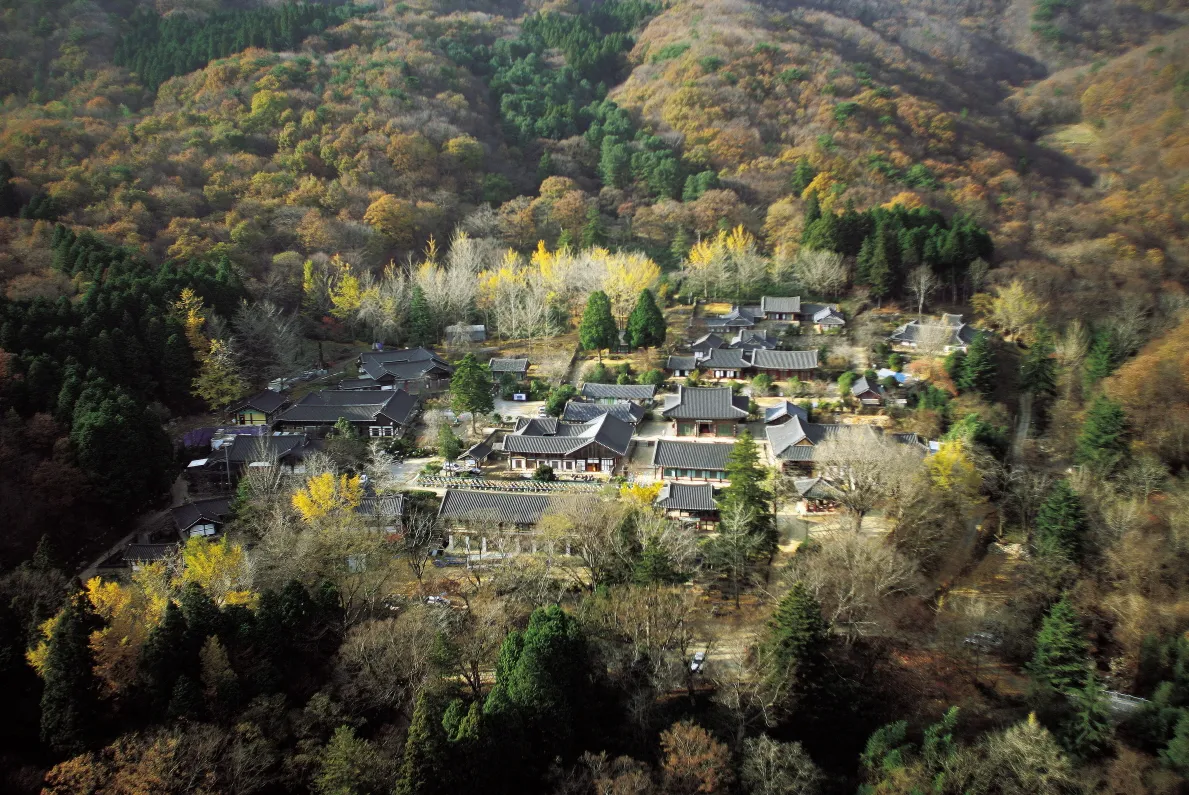
Seonamsa Temple, Suncheon
順天 仙巖寺
전라남도 순천시
Basic information
- Designation
- Historic Site No.507
- Category
- 유적지
- Designated year
- 2009
- Location
- 순천시, 전라남도— 전남 순천시 승주읍 선암사길 450, 등 (죽학리)
- Coordinates
- 34.996465, 127.331196
AI Docent
✨ AI-generatedWelcome to Seonamsa Temple, nestled in the mountains of Jeolla Province! This beautiful temple has deep roots stretching back to Korea's Silla Period—though exactly who founded it remains a mystery. Two legends tell of different masters, Priest Adohwasang and State Preceptor Doseon, both credited with establishing this sacred place. What really shaped Seonamsa into a powerhouse was State Preceptor Daegak's restoration during the Goryeo Period. He transformed it into a major center for spreading the Cheontae Order across Korea. Today, the temple treasures remarkable artifacts—most notably, a stupa at the nearby Daegagam Hermitage that holds what are believed to be the sacred relics of State Preceptor Daegak himself. As part of Korea's Mountain Temples UNESCO World Heritage Site, Seonamsa offers you a chance to walk where centuries of Buddhist practice unfolded. Come discover the spiritual legacy these mountains hold.
⚠ This is an AI-generated retelling of the official description. For accuracy, refer to the official description below.
Description
There are two legends about the foundation of Seonamsa Temple, one of which says that the temple was founded by Priest Adohwasang in the Silla Period, while the other points to its foundation by State Preceptor Doseon, also during the Silla Period. Following its restoration by State Preceptor Daegak during the Goryeo Period, the temple became a leading institution in the spread of the Cheontae Order. The temple keeps many important cultural heritage objects, including a stupa at Daegagam Hermitage (Treasure No. 1117), which keeps sariras assumed to be those of State Preceptor Daegak.
Location
지도를 불러오는 중…
Have you visited this place?
Log in and verify your visit on-site via GPS to record a stamp in My Journey. (QR verification coming later.)
Images: KOGL (khs.go.kr) · Data source: Korea Heritage Service Open API (khs.go.kr)