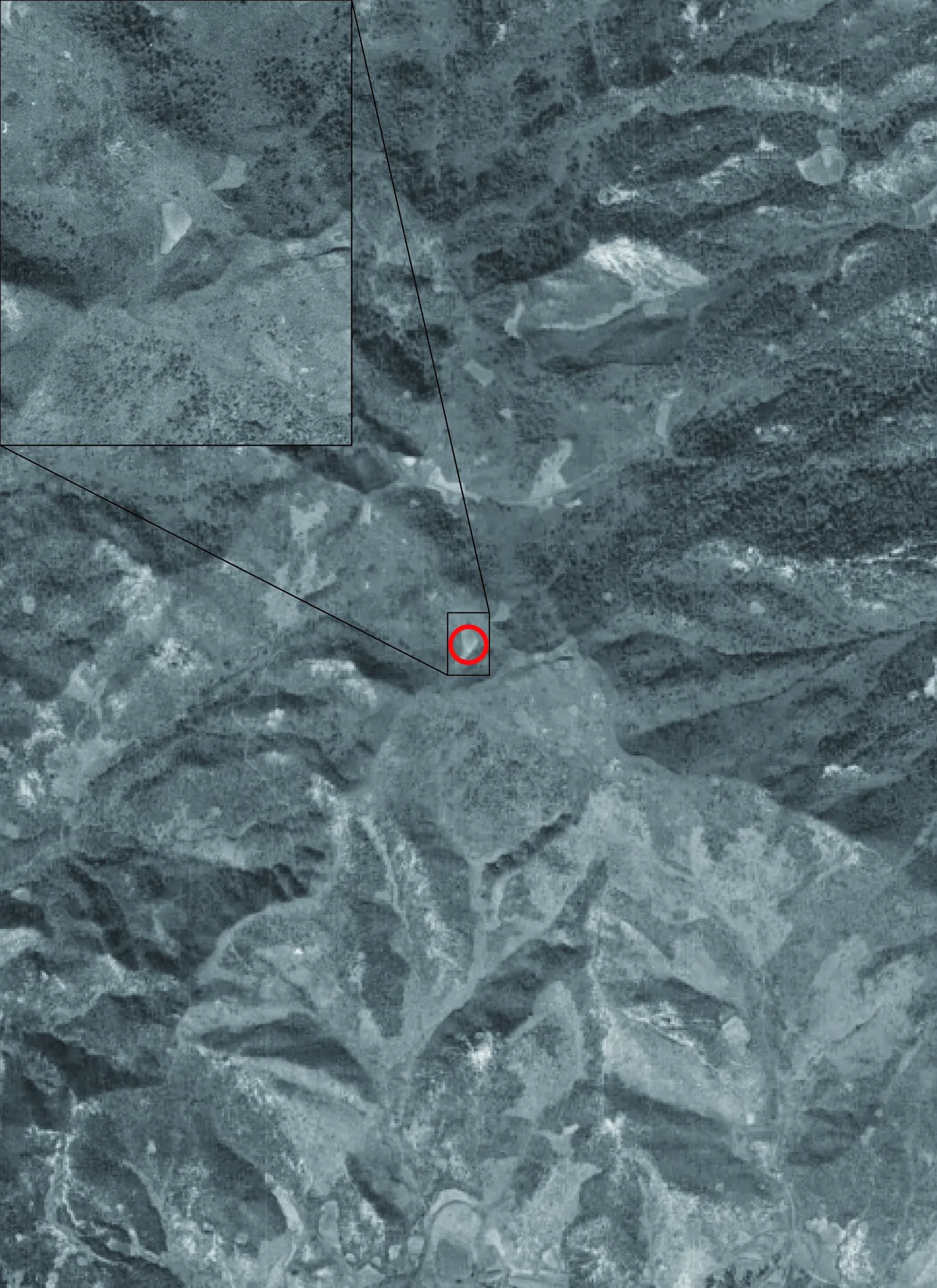
Mangiseong Bongsu Archaeological Site, Eumseong
第2路 直烽 – 陰城 望夷城 烽燧 遺蹟
충청북도 음성군
Basic information
- Designation
- Historic Site No.568-4
- Category
- Sites & Pagodas
- Era
- 조선시대
- Designated year
- 2023
- Location
- 음성군, 충청북도— 충청북도 음성군 삼성면 양덕리 산 30-1 일원
- Coordinates
- 37.051792, 127.489696Kakao address conversion
AI Docent
Coming soonAn AI-generated, friendly retelling of this heritage site is available in Korean. An English version is on our roadmap — for now, please see the official description below.
Description
Machine-translatedThis English description was machine-translated and may contain inaccuracies. Refer to the original Korean text for details.
○ The Revised and Supplemented Comprehensive Repository of Documents (增補文獻備考, 1908), which reveals the beacon fire network of the late Joseon period, shows that the second route's direct beacons originate from Busan's Dadaepo Garrison Eungbong Beacon Fire (應烽烽燧) with a total of 44 beacons. The second route's direct beacon relics consist of direct beacons and 10 relay beacons. All routes crossing major passes of the Sobaek Mountain Range became beacon fire routes. The easternmost route crossing Jungnyeong Pass (竹嶺) became the direct beacons, while the routes crossing Gyeryongnyeong Pass (鷄立嶺) in the center and Chupungnyeong Pass (秋風嶺) to the west served as major relay beacons. Therefore, in the second route's case, direct and relay beacons had little distinction in their importance, and served as a means to transmit warnings from the southeastern coastal region to Seoul, Hanyang (漢陽), the capital city (都城), as quickly as possible. ○ Apart from direct beacons, the second route had the most relay beacons among all five routes, numbering 10 locations. This was because the second route's line had to monitor and survey the long coastline of the East Sea and the southern coast of Gyeongnam, with Yeongdeok's Gwangsan Beacon Fire (廣山烽燧) as the northern boundary and Namhae's Seolhulsan Beacon Fire (雪屹山烽燧) as the southern boundary. ○ The beacon fires on each route of the second line originated from or were located in the coastal areas of the east and south of Gyeongsang Province, including Yeongdeok, Pohang, Ulsan, Busan, Changwon, Jinhae, Masan, Geoje, Goseong, Tongyeong, Sacheon, and Namhae. In these regions, border beacon fires (沿邊烽燧) and contingent beacon fires (權設烽燧) coexist. Additionally, some observation posts (瞭望) and watchtowers (望臺) with no documentary records and unclear construction periods and operational circumstances have been confirmed.
Location
지도를 불러오는 중…
Have you visited this place?
Log in and verify your visit on-site via GPS to record a stamp in My Journey. (QR verification coming later.)
Images: KOGL (khs.go.kr) · Data source: Korea Heritage Service Open API (khs.go.kr)