Stupa of Master Cheolgam at Ssangbongsa Temple, Hwasun
和順 雙峯寺 澈鑒禪師塔
전라남도 화순군
Basic information
- Designation
- National Treasure No.57
- Category
- Sites & Pagodas
- Era
- 통일신라 경문왕8년(869)
- Designated year
- 1962
- Location
- 화순군, 전라남도— 전라남도 화순군 쌍산의로 459 (이양면, 쌍봉사)
- Coordinates
- 34.888294, 127.059222
AI Docent
Coming soonAn AI-generated, friendly retelling of this heritage site is available in Korean. An English version is on our roadmap — for now, please see the official description below.
Description
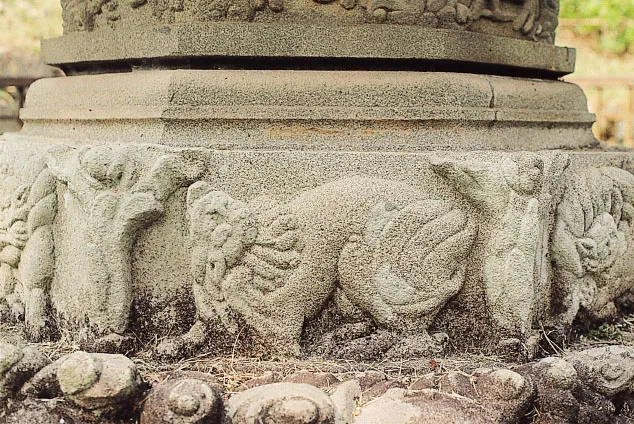
This stone stupa standing in the precincts of Ssangbongsa Temple in Hwasun was built to honor Master Cheolgam (798-868), a Unified Silla monk who crossed the sea to Tang China at the age of 28 to study Buddhism. He returned home with his compatriot, State Preceptor Beomil, in 847, settled in Pungaksan Mountain, and later moved to Hwasun where he built a temple that he named Ssangbongsa based on his pen-name, which literally means “twin mountains.” When he died at the temple at the age of 71, King Gyeongmun (r. 861-875) of the Unified Silla Period awarded him the posthumous honorary title Cheolgam in recognition of his service and had his stupa and accompanying memorial stele built. The monument shows a typical feature of the octagonal stupas developed in Silla, although the finial is missing. The base consists of three parts -- lower, middle, and upper stones -- heavily decorated with carvings. Consisting of double tiers, the lower stone is elaborately carved with lions seated in different postures on clouds, all facing the front. The upper stone is also composed of double tiers wherein the lower tier is carved with lotus petals and the upper tier, with Kalavinkas, birds from the Land of Supreme Bliss, playing musical instruments. The main body of the stupa enshrining the relics of the monk is carved with eight round pillars in the corners and eight faces containing doors, Four Guardian Kings, and several apsaras carved in relief. The roof stone also boasts of excellent artisanship, with the sculptor paying careful attention to the correct rendering of the minute details including the furrows and ridges of tiled roof, decorative end tiles, and rafters underneath the eaves. The stupa is believed to have been erected in 868, the same year the monk died. The outstanding artistic skills, combined with the artist’s religious piety as delivered through this work of stonemasonry, makes it one of the greatest stone stupas made during the period.
Location
지도를 불러오는 중…
Have you visited this place?
Log in and verify your visit on-site via GPS to record a stamp in My Journey. (QR verification coming later.)
Images: KOGL (khs.go.kr) · Data source: Korea Heritage Service Open API (khs.go.kr)