Hokgoni
기타 .
Basic information
- Designation
- Natural Monument No.201-3
- Category
- 동식물
- Designated year
- 1968
- Location
- ., 기타— 전국일원
- Coordinates
- No precise coordinates are available, so this item is not shown as a map marker. To be added later.
AI Docent
Coming soonAn AI-generated, friendly retelling of this heritage site is available in Korean. An English version is on our roadmap — for now, please see the official description below.
Description
Machine-translatedThis English description was machine-translated and may contain inaccuracies. Refer to the original Korean text for details.
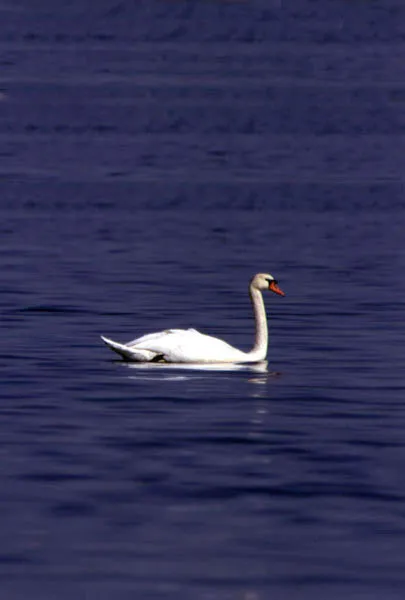
Nine species of swans are known worldwide, of which three species occur in Korea: Bewick's swan (Cygnus columbianus bewickii), whooper swan (Cygnus cygnus), and mute swan (Cygnus olor). In autumn, to escape the cold, they winter along Korea's East Sea and South Sea coasts, before breeding in tundra habitat rich in food, stretching from the Kamchatka Peninsula to northeastern Siberia. The Bewick's swan measures approximately 120 cm in body length, smaller than the whooper swan. Both sexes have a white body with a black bill and black legs, with yellow coloring at the base of the bill. Juveniles have a pale grayish-brown body and a pink bill, and they overwinter mixed in with whooper swan flocks. The whooper swan measures approximately 152 cm in body length, with both sexes alike; its body is white and juveniles are blackish-gray. The bill tip is curved, distinguishing it from the Bewick's swan. When swimming, it holds its neck upright, unlike the mute swan. It lives in large flocks in lakes, marshes, rivers, and coastal areas, forming family groups of adults and young. It feeds on aquatic plant stems and roots, terrestrial plant fruits, and small aquatic insects. The mute swan (Cygnus olor) measures approximately 152 cm in body length, with both sexes nearly all-white; juveniles are grayish-brown with a black bill. It is easily distinguished from the other swans by its vivid orange bill with a black knob and black at the base of the bill. When swimming, it curves its neck with the bill pointing downward. It inhabits reservoirs and lakes, feeding mainly on aquatic plants but also eating small animals. It is the rarest of the three swan species in Korea and, within the East Asian region, winters only in Korea. All three swans—Bewick's swan, whooper swan, and mute swan—are rare winter birds requiring international protection, and are designated and protected as Natural Monuments.
Have you visited this place?
Log in and verify your visit on-site via GPS to record a stamp in My Journey. (QR verification coming later.)
Images: KOGL (khs.go.kr) · Data source: Korea Heritage Service Open API (khs.go.kr)