Mae
기타 .
Basic information
- Designation
- Natural Monument No.323-7
- Category
- 동식물
- Designated year
- 1982
- Location
- ., 기타— 기타 전국일원
- Coordinates
- 37.539141, 127.066264Kakao address conversion
AI Docent
Coming soonAn AI-generated, friendly retelling of this heritage site is available in Korean. An English version is on our roadmap — for now, please see the official description below.
Description
Machine-translatedThis English description was machine-translated and may contain inaccuracies. Refer to the original Korean text for details.
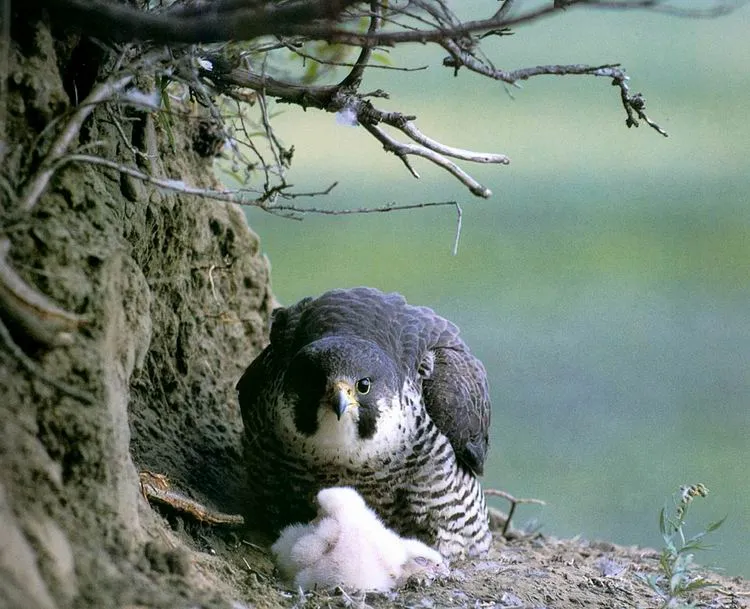
The Peregrine Falcon is an endangered bird protected through strict regulations and various international conventions and agreements due to its rarity, and as it possesses cultural significance related to hunting, it is designated and protected as a Natural Monument. The Peregrine Falcon is distributed throughout the world except South America and is a summer resident breeding on coastal rock cliffs. It measures 38-48 cm in body length; although it was historically used for pheasant hunting, it has become a very rare migratory bird in modern times. The Peregrine Falcon is a species requiring worldwide protection and is gradually declining. It is an uncommon migratory bird and summer resident breeding throughout Korea. However, it can still be occasionally observed in winter throughout the country. It was once commonly used for pheasant hunting before World War II; however, it has become a very rare migratory bird today. Recent records include a male specimen collected on April 2, 1967, in Jinjeop-eup, Namyangju-gun, Gyeonggi Province, and an observation of one bird on a pine tree at Gosan Reservoir, Jeju Island, on January 10, 1984. It has gradually declined due to overhunting and food chain contamination, becoming a rare migratory bird. Designation Number Adjustment Reason: The current classification system for Natural Monument birds, in which 2-8 species are included under one designation number, is being reorganized by assigning independent subspecies numbers to prevent public confusion and maintain consistent management practices.
Location
지도를 불러오는 중…
Have you visited this place?
Log in and verify your visit on-site via GPS to record a stamp in My Journey. (QR verification coming later.)
Images: KOGL (khs.go.kr) · Data source: Korea Heritage Service Open API (khs.go.kr)