Angbuilgu(2022-1)
仰釜日晷(2022-1)
서울특별시 종로구
Basic information
- Designation
- Treasure No.2159
- Category
- Craft
- Era
- 1713년 이후 추정
- Designated year
- 2022
- Location
- 종로구, 서울특별시— 서울특별시 종로구 효자로 12 (세종로, 국립고궁박물관)
- Coordinates
- 37.578800, 126.977000Museum-based location
AI Docent
Coming soonAn AI-generated, friendly retelling of this heritage site is available in Korean. An English version is on our roadmap — for now, please see the official description below.
Description
Machine-translatedThis English description was machine-translated and may contain inaccuracies. Refer to the original Korean text for details.
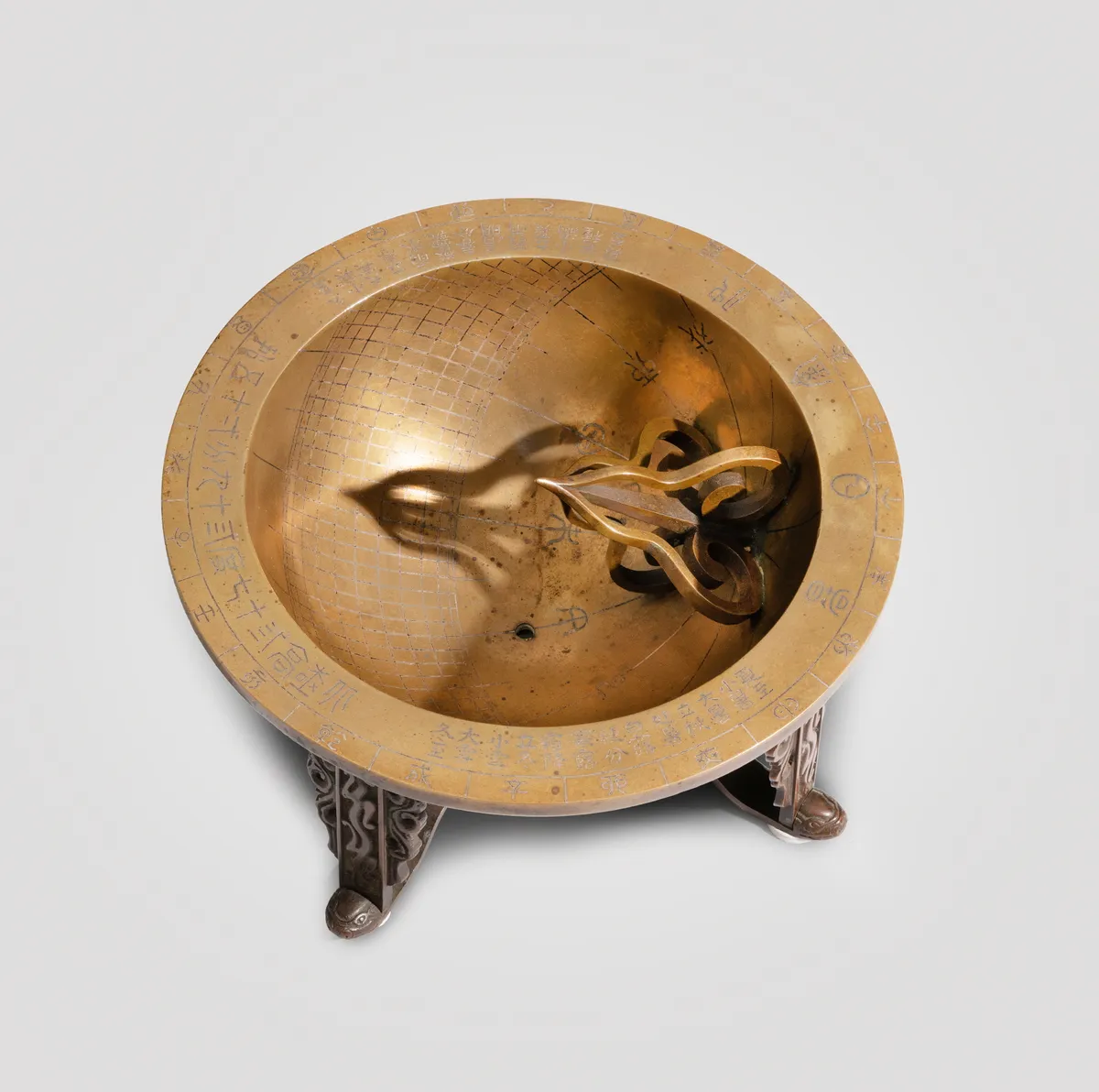
Angbu Ilgu is an upturned-bowl-shaped sundial called Angbu Ilying, meaning a cauldron gazing skyward. Created in 1434 by Jang Yeong-sil, Lee Cheon, and Lee Sunjee under King Sejong's orders, the first examples were installed at the Temple of Ancestors and Hyejung Bridge in October that year. Subsequently produced in diverse forms throughout the Joseon period, angbu ilgu instruments were widely distributed to palaces and government offices. No surviving examples from early Joseon are currently known. Extant angbu ilgu instruments feature latitude inscriptions indicating 37 degrees 39 minutes 15 seconds north, first used after 1713 according to historical records, suggesting production after King Sukjong's 39th year. Approximately ten angbu ilgu examples exist domestically; three housed in the National Palace Museum, Gyeongju National Museum, and Sungshin Women's University Museum represent technically identical instruments possibly crafted by the same artisan. The timepiece displays remarkable manufacturing precision using riveted assembly techniques and silver inlay work. The hemispherical bowl features hourly calibrations at 15-minute intervals and thirteen seasonal markers using precious metal inlay. The pedestal incorporates decorative dragons, clouds, and turtle-head ornaments, demonstrating exceptional artistic craftsmanship and scientific innovation reflecting Joseon astronomical advancement.
Location
지도를 불러오는 중…
Have you visited this place?
Log in and verify your visit on-site via GPS to record a stamp in My Journey. (QR verification coming later.)
Images: KOGL (khs.go.kr) · Data source: Korea Heritage Service Open API (khs.go.kr)