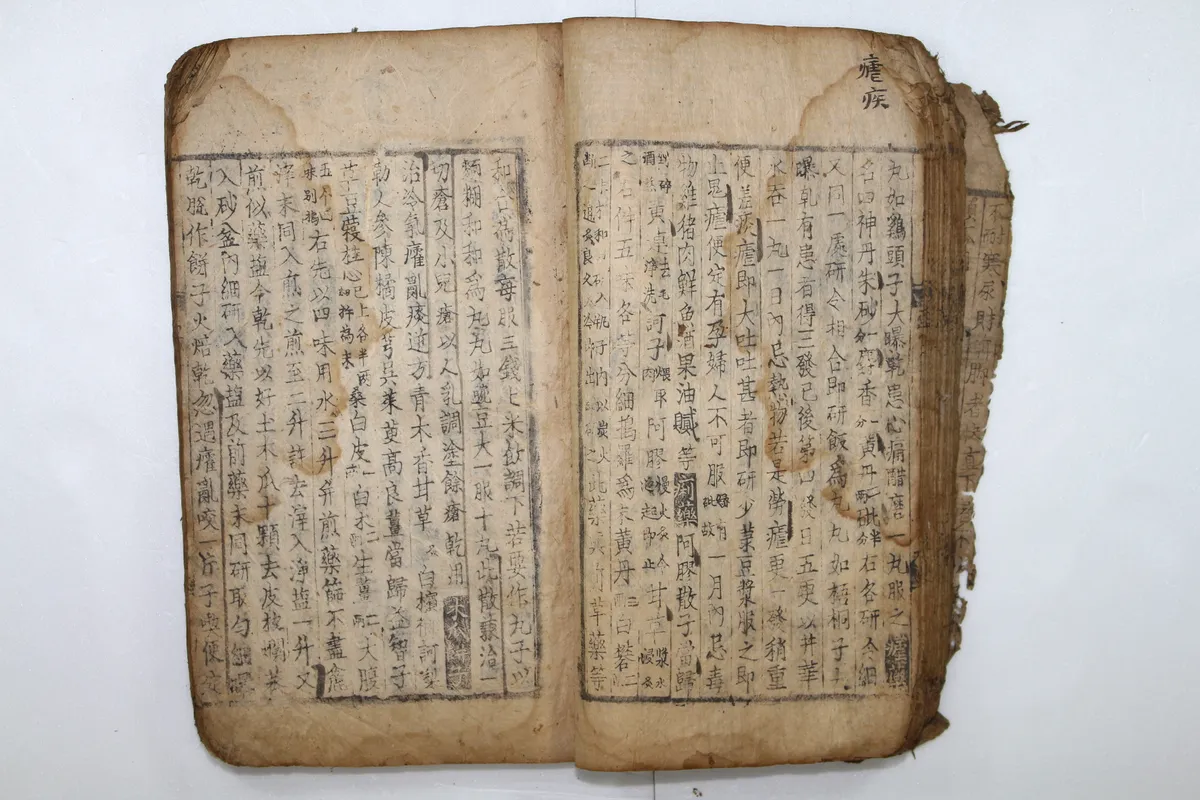
Sasichanyo
四時纂要
경상북도 예천군
Basic information
- Designation
- Treasure No.2196
- Category
- Books & Records
- Era
- 조선전기
- Designated year
- 2022
- Location
- 예천군, 경상북도— 경상북도 예천군
- Coordinates
- 36.657654, 128.452925
AI Docent
Coming soonAn AI-generated, friendly retelling of this heritage site is available in Korean. An English version is on our roadmap — for now, please see the official description below.
Description
Machine-translatedThis English description was machine-translated and may contain inaccuracies. Refer to the original Korean text for details.
Sasi Chanyao represents a comprehensive agricultural treatise compiled by Han O during the late Tang Dynasty period in 996, systematically organizing diverse seasonal agricultural practices throughout the twelve-month calendar year. The comprehensive work documents specific monthly cultivation methodologies and practical techniques, seasonal agricultural prohibition customs, livestock husbandry methodologies and breeding practices, crop-processing procedures and preservation techniques, animal disease treatment and medical practices, commercial enterprise operations and business procedures, and comprehensive agricultural implement maintenance and seasonal storage procedures. Joseon's early governmental authorities strategically adopted this Chinese agricultural reference material as official state policy for national agricultural advancement, with Sasi Chanyao serving as the primary comprehensive agricultural reference source throughout governmental administration until King Sejong's compilation of Nongsajikseol constituted a replacement reference work. The designated example represents an early Joseon printing combining pre-Joseon woodblock characters derived from the Goryeo Scripture Publishing Institute manufacturing operations with contemporary Joseon metallic characters (Gyemija middle-type font) employed during this important transitional print production era. Among all contemporary surviving Sasi Chanyao editions examined across Korea, China, and Japan in scholarly studies, this specimen represents the earliest-dated version documented. The production period, based on identifiable Gyemija typeface employment patterns and scholarly analysis, dates approximately to 1403-1420 during early Joseon's foundational period. This government publication initiative reflected comprehensive state commitment extending far beyond agricultural productivity advancement to encompass substantial national crisis-resolution through peasant livelihood improvement and rural economic development. The work represents invaluable documentation of popular education initiatives in early Joseon agricultural science, metallic typeface printing advancement across successive Chinese and Korean dynasties, and contemporary socioeconomic historical context, thereby demonstrating profound significance for understanding traditional Korean agricultural heritage and comprehensive bibliographic printing history.
Location
지도를 불러오는 중…
Have you visited this place?
Log in and verify your visit on-site via GPS to record a stamp in My Journey. (QR verification coming later.)
Images: KOGL (khs.go.kr) · Data source: Korea Heritage Service Open API (khs.go.kr)