Seonchalsa Mokjoseokgayeoraejwasang Mit Reliquary Objects, Andong
安東 仙刹寺 木造釋迦如來坐像 및 腹藏遺物
경상북도 안동시
Basic information
- Designation
- Treasure No.2242
- Category
- Sculpture
- Era
- 1622년(조선 광해군 14)
- Designated year
- 2023
- Location
- 안동시, 경상북도— 경상북도 안동시 웃장터길 91-17 (길안면, 대한불교조계종 선찰사)
- Coordinates
- 36.454214, 128.897501Kakao address conversion
AI Docent
Coming soonAn AI-generated, friendly retelling of this heritage site is available in Korean. An English version is on our roadmap — for now, please see the official description below.
Description
Machine-translatedThis English description was machine-translated and may contain inaccuracies. Refer to the original Korean text for details.
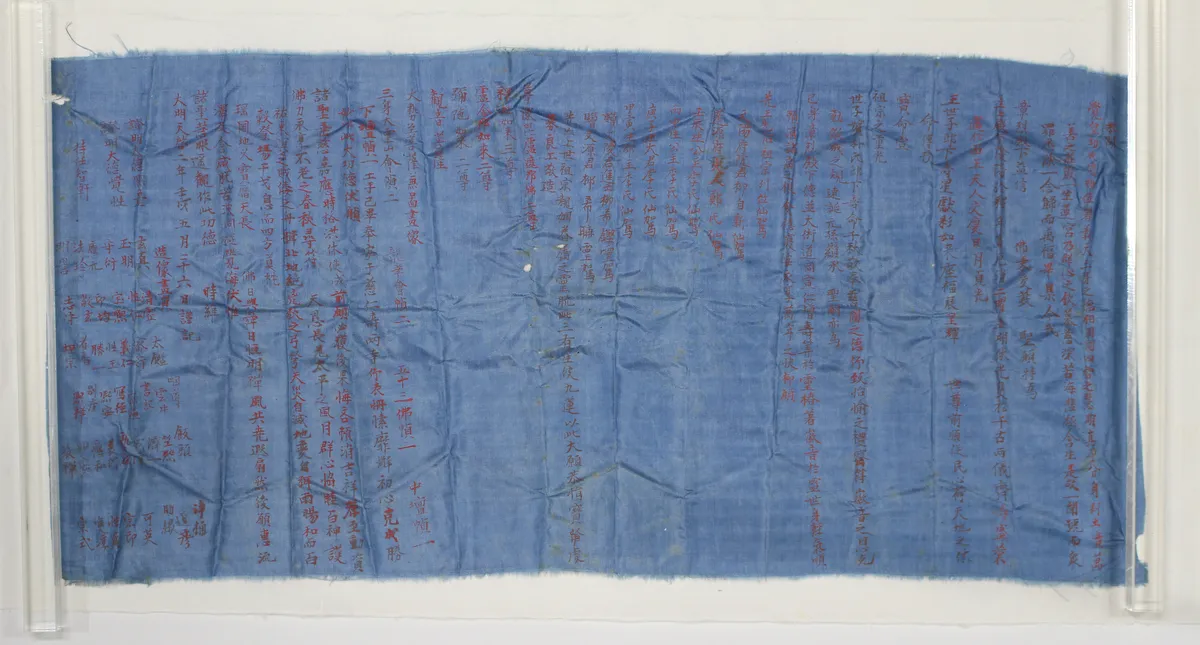
The 'Andong Seonchul-sa Wooden Shakyamuni Buddha Seated Statue and Concealment Relics' comprises a Buddha statue and concealment relics created in 1622 (King Gwanghae 14) by master sculptor Hyun-jin (玄眞) and leading sculptors of the era including Eung-won (應元), Su-yeon (守衍), Seong-in (性仁), and In-gyun (印均). The vow inscriptions discovered in the concealment provide historical significance through evidence that Queen Liu Shi (劉氏, 1576-1623), the consort of King Gwanghae also known as Queen Changryeol, commissioned the creation of eleven Buddha statues for installation at Jayou-sa and Insu-sa temples where royal consorts took vows. The statue represents one of these eleven Buddha statues, distinctly an independent Shakyamuni Buddha rather than the principal Buddha of the main hall of these temples, but rather placed in a royal vow temple separately established, providing valuable documentary evidence regarding the true form of vow Buddhas enshrined in royal vow temples. Displaying three-and-a-half head proportions resembling an infant, the statue features a large head with narrow knees and full cheeks providing volume, conveying an overall endearing impression. Simultaneously, the sturdy physique, dignified expression in facial features, and drapery expression of the left shoulder and lower body demonstrate the stylistic characteristics of Hyun-jin's sculptural lineage in foundational elements. The statue's base features a circular concealment opening, with discovered concealment materials including a vow inscription and a garment inscription reading 'Dresses of Queen Liu Born in Byeongja' (丙子生王妃柳氏命衣), indicating this statue was created as a personal vow Buddha while evidencing 17th-century royal Joseon costume discovery in complete form of exceptional rarity.
Location
지도를 불러오는 중…
Have you visited this place?
Log in and verify your visit on-site via GPS to record a stamp in My Journey. (QR verification coming later.)
Images: KOGL (khs.go.kr) · Data source: Korea Heritage Service Open API (khs.go.kr)