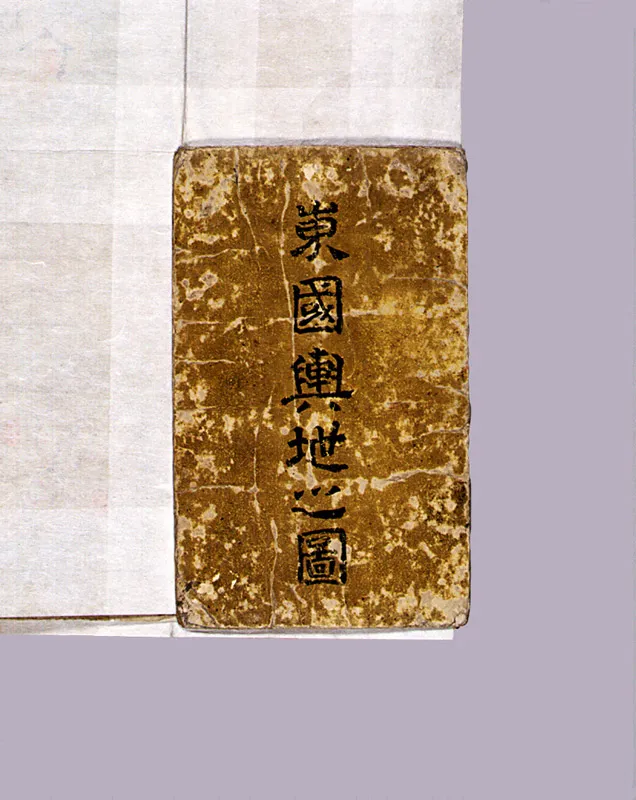
Painting Albums of the Haenam Yun Clan
海南 尹氏 家傳 古畵帖 一括
전라남도 해남군
Basic information
- Designation
- Treasure No.481
- Category
- Books & Records
- Era
- 조선시대(17∼18세기초)
- Designated year
- 1968
- Location
- 해남군, 전라남도— 전남 해남군 해남읍 녹우당길 130 (연동리)
- Coordinates
- 34.549730, 126.620817Kakao address conversion
AI Docent
Coming soonAn AI-generated, friendly retelling of this heritage site is available in Korean. An English version is on our roadmap — for now, please see the official description below.
Description
The pagoda, whose main body was restored in 1969, stands between two newly-erected buildings in front of the Geumdang Hall (the main building of a temple) at Yeongamsa Temple site in Hapcheon. The site of Yeongamsa, which was a temple of the Silla Dynasty, is located at the southern foot of Hwangmaesan Mountain. Its foundation year is not known, but since it is recorded that a monk, Jeogyeon, entered Nirvana at this temple in 1014, so it is estimated to have been constructed earlier than that time. From the site, a twin-lion stone lantern, a turtle base of a stele and other stone relics remain. This pagoda consists of a two-layer platform and a three-story main body, typical of the style of stone pagodas built during the Unified Silla period. All the corners and facets of the platform are engraved with pillar patterns. Each core stone and roof stone of the main body is hewn from a single stone, and every corner of the core stones is carved with pillar patterns. The core stone of the first story is rather high, while the second and third stories are much reduced in height. The roof stones have the four-tiered cornices, and the eaves are horizontal. The upper sides of the roof stones slope smoothly and curve swiftly upward at the four edges. The finial is completely missing, but there is a hole to insert an iron rod on the upper side of the roof stone for the third story. The upper layer of the platform and the core stone in the first story are rather high, but the pagoda still has a beauty of balance in its well-proportioned structure. Given the fact that it follows the style of stone pagodas built during the Silla period, the delicacy of the pillar carving, and also the reduced number of cornices, it is believed to have been built around the ninth century.
Location
지도를 불러오는 중…
Have you visited this place?
Log in and verify your visit on-site via GPS to record a stamp in My Journey. (QR verification coming later.)
Images: KOGL (khs.go.kr) · Data source: Korea Heritage Service Open API (khs.go.kr)