Artifacts of Kim Jeong-hui's Family
金正喜 宗家 遺物
서울특별시 용산구
Basic information
- Designation
- Treasure No.547-1
- Category
- Painting
- Designated year
- 1971
- Location
- 용산구, 서울특별시— 서울특별시 용산구 서빙고로 137 (용산동6가, 국립중앙박물관)
- Coordinates
- 37.524702, 126.977740Kakao address conversion
AI Docent
Coming soonAn AI-generated, friendly retelling of this heritage site is available in Korean. An English version is on our roadmap — for now, please see the official description below.
Description
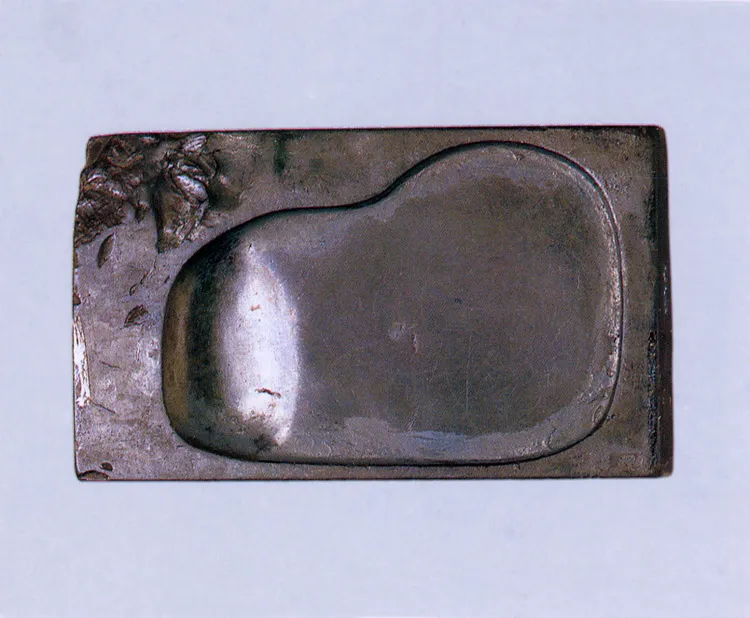
These are works by Kim Jeong-hui (1786-1856), a late Joseon scholar-official who was also renowned as a calligrapher and painter, kept as private heirlooms in his family, and personal relics that belonged to him, also passed from generation to generation in his family. Kim Jeong-hui, also known under his pen-name Chusa, successfully passed the civil service examination in 1819 (19th year of King Sunjo’s reign) and held various government offices thereafter. In terms of scholarly accomplishments, he left a strong mark in such fields as philology and epigraphy. A man also gifted in poetry, calligraphy and painting, Kim Jeong-hui was famous for chusache, a highly original calligraphic style forged during his late years. The items fall into three large categories: personal relics, autographs and calligraphic albums. The Personal artifacts include personal seals he carried, prayer beads, ink stones and writing brushes; autographs ranges from various studies to letters, calendars, manuscripts and calligraphic works in a daeryeon format. The two calligraphic albums are titled Geumbancheop and Simgyeongcheop respectively. There is also a portrait of Kim Jeong-hui, painted in 1857 (8th year of King Cheoljong’s reign) by Yi Han-cheol. 1) Personal relics - Seals: The seals, carved either in stone or in jade, are thirty-one in total number and show names ranging from “Kim Jeong-hui in” to “Chusa,” “Gyeonhan,” “Yangnyudangnyeon” and “Eumjasipsi.” -·A string of crystal prayer beads -·A string of vajra prayer beads - ·Unnyongmundangyeyeon: This is an ink stone with a carved dragon design, complete with a wooden ink stone case. -·Yumyeongyeon: an ink stone with inscriptions - Docheolmunyeon: This ink stone with designs representing the faces of a goblin or a beast is made of a high-quality stone and has intricate sculpted details. - Writing brushes: Some of these seven writing brushes – one small, two medium-size and four large brushes – are made with pig hair. - 2) Autographs: Clerical script daeryeon: This calligraphy, which reads “Segannyang geonsagyeongdok (世間兩件事耕讀)’ and ‘Cheonhaildeungin chunghyo (天下一等人忠孝)’ dates from a period when Kim Jeong-hui’s skills in clerical script had reached maturity. - Sunujanghaseungbi: These are hand-calligraphed copies of the epigraph of a Han-dynasty stone memorial. They are fourteen sheets altogether. -·Eulmyochiljeong: The cover of this calendar shows the title “Geumchilsipjae,” preceded by “Eulmyochiljeong,” meaning the ‘cover of the calendar of the 6th year of King Cheoljong’s reign (1855).’ The title “Geumchilsipjae” has probably something to do with the fact that Kim Jeong-hui turned seventy years of age during that year. Inside the calendar, texts by Kim Jeong-hui are attached, written in small semi-cursive script characters, along with two sheets of a letter at the end of the volume. - Cheokdokchobon: These are calligraphic copies of letters by two Qing-dynasty scholars, Wang Mengci and Zhang Bushan. -Sipsamnyeon jeongmicheop: This calendar of the 13th year of King Heonjong’s reign (1847) contains texts by Kim Jeong-hui, written in regular script. -Sagongdo sipyeongcheop: This calligraphy of a poetry critique by a Tang-dynasty official (Sagong) is in large regular script characters and is considered of high significance as a textbook for calligraphic instruction. -·Sangjisimnyeonyong jiphyeopheum: This calendar is of the 10th year of King Heonjong’s reign (1844). Inside the calendar are attached various calligraphic studies by Kim Jeong-hui. A text by his grandson Kim Han-je is also found at the end. -·Chungsulgeunsugyohunmuguiheonjinjang: The cover page reads “Chungsulgeunsugyo (忠述謹受敎),” followed by “Hunmukheonjinjang (訓墨軒珍藏).” Calligraphies by Kim Jeong-hui are found inside along with two letters sent to him by the Qing-dynasty painter Zhu Henian. -·Sojaecheop: The cover page reads, below the title “Sojaecheop,” “Wononggyeongbon (院翁硬本),” “Idang(怡堂),” “Jecheom (題籤)” and “Sinhaegyeongdeungnujang (辛亥竟登樓藏),” written in small characters. There is a text explaining the origin of the penname “Sojae” inside. 3) Calligraphic Albums -·Geumbancheop: The calligraphies are of single characters in semicursive scripts. Two or three characters are written in each line. A text by his younger brother Kim Myeong-hui is attached at the end. -Simgyeongcheop: This calligraphic copy of the Heart Sutra (Banyabaramildasimgyeong) appears to have been carefully executed. The volume has a cover page with the title “Simgyeong,” and each sheet contains three lines of eight characters, although some of them depart from this rule. - These autographs of Kim Jeong-hui from the private collection of his family are of inestimable value for the understanding of his calligraphy, as they are broad-ranging samples of his style and include both studies and finished works bound into an album. The seals, of a large number and variety, are helpful for authenticating works by Kim Jeong-hui. Meanwhile, the portrait of Kim Jeong-hui is of great significance for research into late Joseon portraits, especially as the date and the name of the artist are clearly known.
Location
지도를 불러오는 중…
Have you visited this place?
Log in and verify your visit on-site via GPS to record a stamp in My Journey. (QR verification coming later.)
Images: KOGL (khs.go.kr) · Data source: Korea Heritage Service Open API (khs.go.kr)