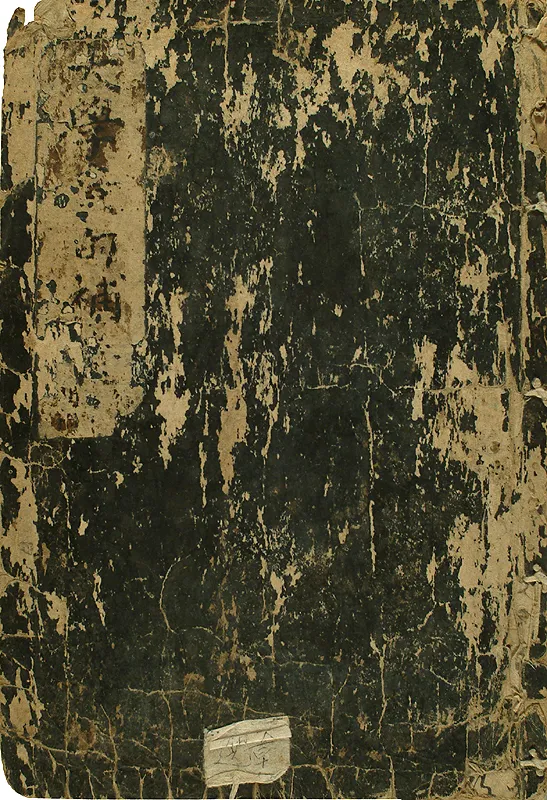
Manuscripts of Yi Eon-jeok
李彦迪 手稿本 一括
경상북도 경주시
Basic information
- Designation
- Treasure No.586-2
- Category
- Books & Records
- Era
- 조선 명종 2∼8년(1547∼1553)
- Designated year
- 1975
- Location
- 경주시, 경상북도— 경상북도 경주시
- Coordinates
- 35.856218, 129.224782
AI Docent
Coming soonAn AI-generated, friendly retelling of this heritage site is available in Korean. An English version is on our roadmap — for now, please see the official description below.
Description
Daehakjanggu boyu (Addendum to the Great Learning by Chapter and Phrase) is one of the works by Yi Eon-jeok (pen-name: Hyojae, 1491-1553), a Neo-Confucian scholar and a statesman of mid-Joseon who lived in King Jungjong’s reign, that were written during the six year period between 1547 (the 2nd year of King Myeongjong’s reign) and 1553 (the 8th year of King Myeongjong’s reign). Yi Eon-jeok entered the government at the age of twenty-four after successfully passing the civil service examination. At one point of his career, he was sent into exile for objecting to the appointment of Kim An-ro to a government office. Later, when Kim An-ro and his faction were ousted from power, Yi Eon-jeok returned to Joseon’s political scene. As a local official, he was loved by the people of his jurisdiction who erected a monument to praise his wise administration. In 1547, he was again sent into exile, this time, for his supposed involvement in an affair where posters critical to the royal house and the government were put up in Yangjaeyeok. He authored numerous books in his place of exile before his death at the age of sixty-three. A larger-than-life figure in Joseon’s Neo-Confucian studies, Yi Eon-jeok was posthumously appointed yeonguijeong (chief state councilor) and was bestowed upon the title “Munwon.” The full manuscript, from beginning to end, was written by the hand of Yi Eon-jeok, except the postscript by No Su-sin at the end. In Daehakjanggu boyu, Yi Eon-jeok expresses views on the Great Learning that are, in some cases, quite different from the ones Zhu Xi voiced in his Da xue zhang ju (The Great Learning by Chapter and Phrase). These dissenting views make Daehakjanggu boyu all the more interesting, given that it was written at a time when the Song-dynasty scholar was worshipped like a quasi-deity, and no one would dream of disagreeing with him.
Location
지도를 불러오는 중…
Have you visited this place?
Log in and verify your visit on-site via GPS to record a stamp in My Journey. (QR verification coming later.)
Images: KOGL (khs.go.kr) · Data source: Korea Heritage Service Open API (khs.go.kr)