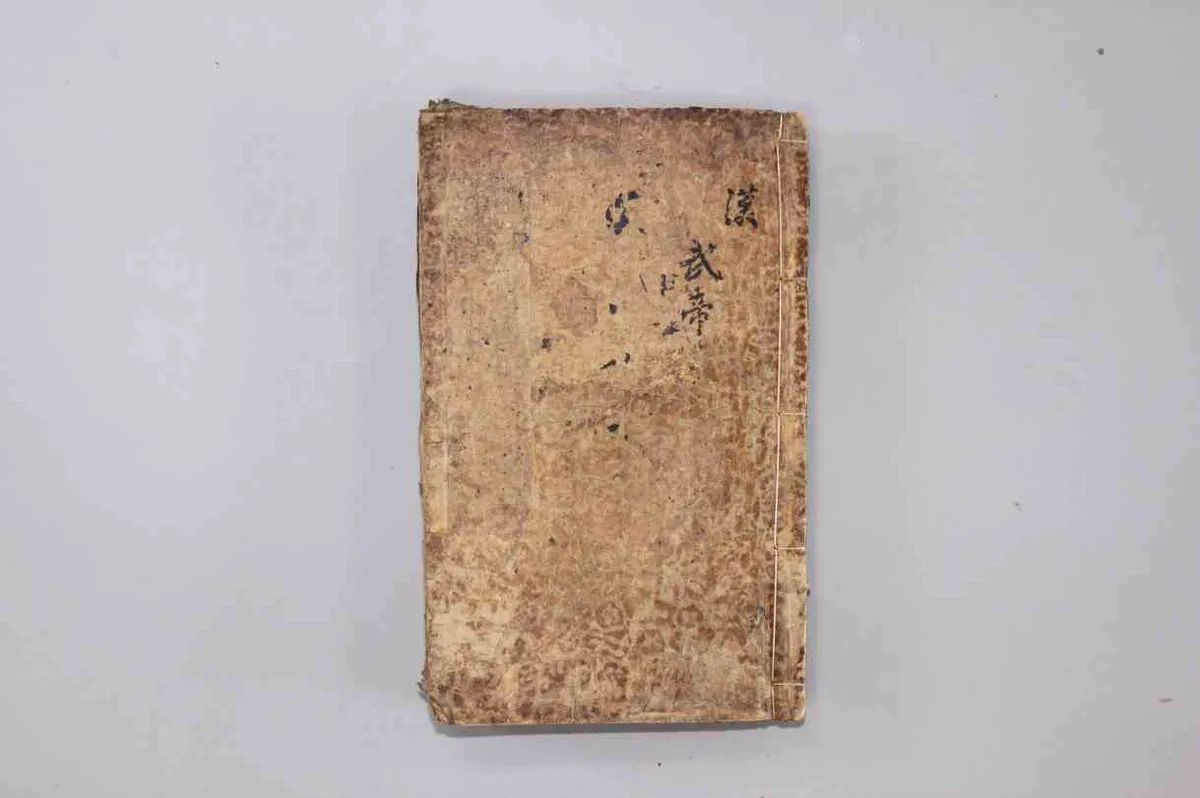
Samganghaengsilhyojado
三綱行實孝子圖
서울특별시 종로구
Basic information
- Designation
- Treasure No.1717
- Category
- Books & Records
- Era
- 1434년(세종16)
- Designated year
- 2011
- Location
- 종로구, 서울특별시— 서울특별시 종로구 효자로 12(세종로, 국립고궁박물관)
- Coordinates
- 37.578800, 126.977000Museum-based location
AI Docent
Coming soonAn AI-generated, friendly retelling of this heritage site is available in Korean. An English version is on our roadmap — for now, please see the official description below.
Description
Samgang haengsildo (Illustrated Conduct of the Three Bonds) was published in 1434 (the 16th year of King Sejong’s reign). The first edition of this book consisted of three parts, devoted respectively to filial sons (Samgang haengsil hyojado), loyal subjects (Samgang haengsil chungsindo), and faithful wives (Samgang haengsil yeollyeodo). It featured the biographical accounts of three hundred-thirty Korean and Chinese historical figures, deemed exemplary for filial piety, loyalty to the suzerain or faithfulness to the husband (one hundred ten figures chosen for each of the three virtues), along with poems and eulogies on these three hundred-thirty people. Samgang haengsil hyojado, the part on filial piety, features two seven-word quatrain poems and eulogies by Yi Je-hyeon, quoting from Hyosunsasil and Hyohaengnok, both of which are books on the theme of filial piety. Texts about figures other than those included in these two books were written by scholars of the Hall of Worthies who were the editors of Samgang haengsildo. Of the one hundred ten people whose stories are told in this part of the book, eight-nine are Chinese, and twenty-two Koreans. Meanwhile, the twenty-two Koreans break down to two Silla, two Baekje, seven Goryeo and eleven Joseon people. In the case of Chinese figures, people from the Han Dynasty account for the large share of twenty-one, followed by Tang-dynasty (eleven), Song-dynasty (ten) and Yuan-dynasty (ten) people. One leaf of the book is divided to each figure. The front side of each leaf features the title and illustrations, and the biographical account and poems and eulogies are placed on the back side. The insertion of illustrations and the use of dangu markings are well in line with the educational purpose of this book meant to enlighten the people of Joseon about ethical values and promote good mores among them. Samgang haengsildo was published on the order of King Sejong as a guide to ethical conduct for the people of Joseon, a society for which the so-called “samgang oryun (three fundamental principles and five disciplines in human relations)” were fundamental values. This book had set a precedent and served as the prototype for haengsildoryu, a book on ethical conduct of similar type published in a later era.There are two versions of Samgang haengsildo: the one published during the reign of King Sejong, with text written in Sino-Korean characters and an abridged and annotated version, published at a later time, with the number of people included reduced to one-third of the original number and a parallel text in Hangeul. Due to its vast size, the original version was re-printed in subsequent eras, in shorter versions containing only one of the three parts; namely the part on filial piety, loyal subjects or faithful wives. This is why there is no extant complete copy containing all three parts. Few copies, in fact, have survived, even among those containing single parts.Judging from the width of the page margins, number of lines and character strokes and the overall page layout, this copy of Samgang haengsildo appears to have been printed relatively soon after 1434 (the 16th year of King Sejong’s reign) when the woodblocks for the book were carved.Although four of the entries are missing, this copy is, nevertheless, inestimable in value, especially given the extreme rarity of complete copies and considering its comparatively good state of preservation. This copy of Samgang haengsil hyojado is of high significance for bibliographic research into the early Joseon Period and the study of Sino-Korean text markings, as well as for the history of painting.
Location
지도를 불러오는 중…
Have you visited this place?
Log in and verify your visit on-site via GPS to record a stamp in My Journey. (QR verification coming later.)
Images: KOGL (khs.go.kr) · Data source: Korea Heritage Service Open API (khs.go.kr)