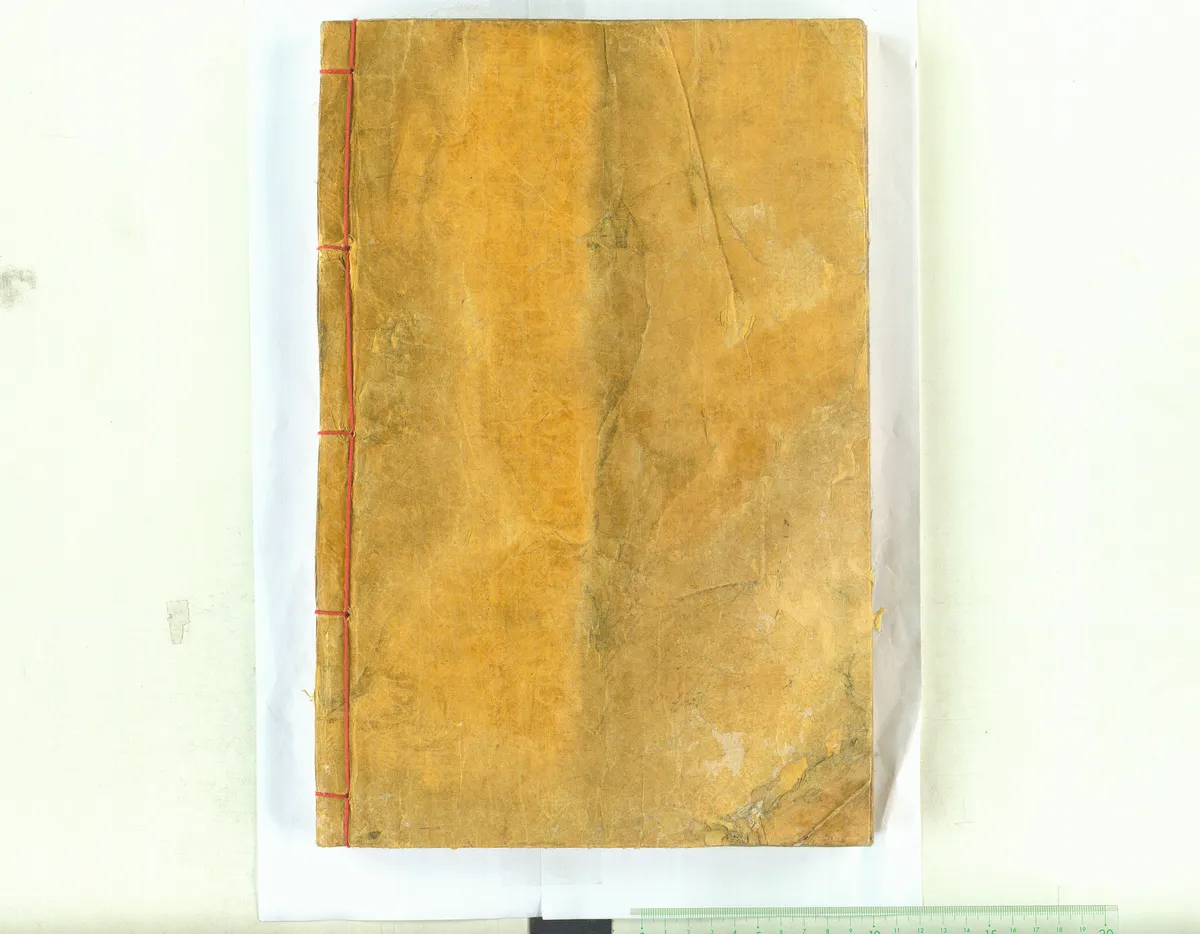
Daebuljeongyeoraemirinsujeungyouijebosalmanhaengsuneungeomgyeong(eonhae) Gwon3(2010)
大佛頂如來密因修證了義諸菩薩萬行首楞嚴經(諺解) 卷三(2010)
경기도 광주시
Basic information
- Designation
- Treasure No.948-2
- Category
- Books & Records
- Era
- 1461년
- Designated year
- 2010
- Location
- 광주시, 경기도— 경기도 광주시 현산로361번길 29-11 (초월읍, 대법사)
- Coordinates
- 37.414258, 127.283717Kakao address conversion
AI Docent
Coming soonAn AI-generated, friendly retelling of this heritage site is available in Korean. An English version is on our roadmap — for now, please see the official description below.
Description
The Shurangama Sutra is one of the most important sutras of Mahayana Buddhism which is largely focused on the importance of reaching total liberation from defilements through Seon (Chan or Zen) practices. It was translated into Chinese by an Indian monk Sramana Paramiti in 705 and annotated by a Song scholar monk Jiehuan. The publication of this book containing the original Chinese text of the sutra combined with Korean translations was proposed by Prince Hyoryeong (1396-1486) in 1461, which led King Sejo (r. 1455-1468) to order his scholar-officials, including Han Gye-hui (1423-1482) and Kim Su-on (1410-1481), and an eminent monk Sinmi (fl. 15th c.) to translate the sutra into Korean and publish it. The book was printed with the Eulhae Types in three sets of different sizes, Large, Medium and Small, and one set of Hangeul types, and came out in ten volumes. Corrections made in red ink across the main text suggest that this particular book is one of the first impressions produced for proofreading. The use of diacritic points for the newly-devised Korean alphabets provides the book with a valuable source of knowledge on the Korean language in the medieval period. The book is also widely regarded as a wealth of information about the development of Korean Buddhism and movable type printing during the early Joseon Period (1392-1910). That there is only one other of the same edition known to have been remaining (i.e. in Dongguk University in Seoul) creates extra value for this book.
Location
지도를 불러오는 중…
Have you visited this place?
Log in and verify your visit on-site via GPS to record a stamp in My Journey. (QR verification coming later.)
Images: KOGL (khs.go.kr) · Data source: Korea Heritage Service Open API (khs.go.kr)