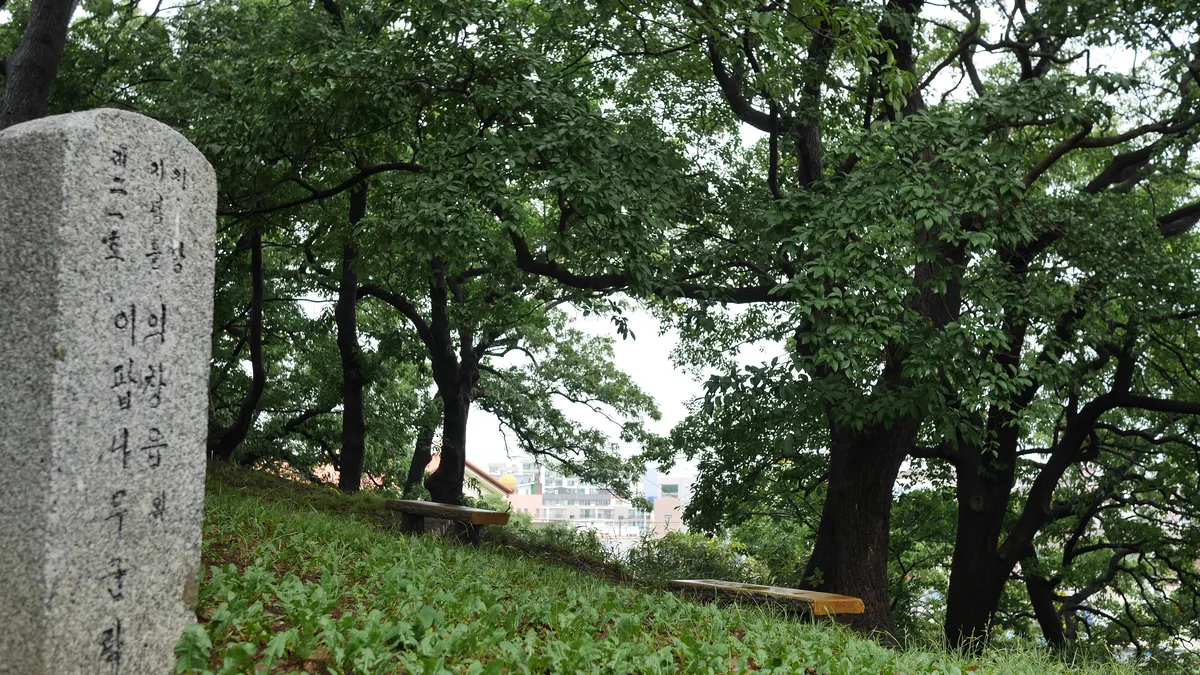
Heunghaehyanggyo Ipapnamu Colony, Pohang
浦港 興海鄕校 이팝나무 群落
경상북도 포항시
Basic information
- Designation
- Natural Monument No.561
- Category
- 동식물
- Designated year
- 2020
- Location
- 포항시, 경상북도— 경상북도 포항시
- Coordinates
- 36.110272, 129.343205
AI Docent
Coming soonAn AI-generated, friendly retelling of this heritage site is available in Korean. An English version is on our roadmap — for now, please see the official description below.
Description
Machine-translatedThis English description was machine-translated and may contain inaccuracies. Refer to the original Korean text for details.
The Chinese fringetree (Chionanthus retusus) receives its name from the belief that its entire crown is covered with white flowers during blooming season, resembling white rice, or alternatively from the tradition of calling it Iphakmok as its flowers bloom during the Lixia solar term marking the beginning of summer. Nearly all ancient, large Chinese fringetree (Chionanthus retusus) specimens in Korea share a common legend that the abundance or scarcity of its flowers can predict a bumper or poor harvest for that year. As Chinese fringetree (Chionanthus retusus) thrives in water-rich environments, its flowers bloom profusely when rainfall is adequate but poorly when insufficient. Since water quantity is directly related to rice farming, this legend arose from long-accumulated natural observation through experiential knowledge. The Pohang Heunghae Hyanggyo Chinese Fringetree Grove is traditionally believed to have been established from seeds planted to commemorate the founding of the hyanggyo (Confucian academy). The white flowers reaching full bloom in May create beautiful scenery in harmony with the surrounding hyanggyo and temple structures, demonstrating outstanding historical and landscape value. Moreover, the Chinese fringetree (Chionanthus retusus) has long been associated with predicting annual harvest success and carries high cultural and folk significance related to ancestral traditions, warranting its designation and protection as a natural monument.
Location
지도를 불러오는 중…
Have you visited this place?
Log in and verify your visit on-site via GPS to record a stamp in My Journey. (QR verification coming later.)
Images: KOGL (khs.go.kr) · Data source: Korea Heritage Service Open API (khs.go.kr)